Receive comprehensive regulation-adherent chimney maintenance in Minnesota. Our services include NFPA 211 evaluations, HEPA-contained sweeping, smoke testing for air infiltration, and digitally recorded reports with ranked fixes. Our certified experts fix cracked fireboxes, measure and fit UL-listed liners, enhance dampers, and confirm draft, clearances, and termination per NFPA 211 and Minnesota Mechanical Code. Services cover wood, gas, and masonry systems with CO testing and creosote control. Schedule before heating season to lower fire and CO hazard-we ensure safe, efficient performance.
Main Highlights
- Licensed MN professionals perform complete NFPA 211-compliant inspections and sweeping, delivering in-depth documentation including photos and prioritized repair recommendations.
- Yearly Level I-II examinations verify clearances, liners, draft, moisture indicators and log problems to reduce carbon monoxide and fire hazards.
- HEPA-certified soot cleaning, creosote buildup measurement, and draft testing operations confirm optimal draft performance and detect possible gaps at joints and thimbles.
- Our services cover professional relining utilizing UL-listed stainless steel, aluminum where permitted, and ceramic materials, plus crown repair, damper improvements, and smoke chamber parging.
- Gas and wood system service comprises combustion performance evaluation, CO level checking, gasket and refractory inspection, and draft testing with detailed documentation.
Professional Fireplace and Chimney Maintenance
Despite the fact that your fireplace may draft well, a comprehensive chimney maintenance check verifies safety, efficiency, and code compliance before the heating season. You schedule annual inspections to assess clearances, examine liners, analyze masonry, and verify proper termination. Experts carry out soot removal with HEPA-contained tools, assess creosote stages, and identify moisture indicators that raise fire risk. They perform smoke testing to confirm continuous draft, identify leakage at joints or thimbles, and confirm appliance-to-flue sizing. We inspect cap maintenance, verifying screens, crowns, and flashings prevent water intrusion, keep out wildlife, and withstand freeze-thaw damage frequent in Minnesota. We also check dampers and firestops, ensure clearance to combustibles, and document defects with photos. You obtain a written, code-referenced report and detailed corrective actions.
Fireplace Services: Repairs, Installations & Relining
From compromised fireboxes to insufficient liners, we diagnose and fix defects that compromise proper draft, safety, and efficiency. You work with a licensed team that complies with NFPA 211 and Minnesota Mechanical Code for every repair and installation. We commence with thorough flue diagnostics and smoke testing to verify pressure patterns, leakage points, and flow paths before suggesting solutions. When the hearth, firebox, or smoke chamber needs rebuilding, we use listed, noncombustible materials and maintain proper clearances to combustibles.
In our relining process, we precisely fit and place UL-listed liner components - stainless steel, ceramic, or aluminum (where allowed) - to match venting requirements and appliance specifications. We conduct damper improvements with high-performance top-seated or throat units to optimize operation and ensure code compliance. Finally, we finalize new installation or renovated fireplaces, logging dimensional data, draft performance, and installation details.
Safety Measures, Efficiency, and Creosote Management
While safety and burning efficiency are top priorities, these factors influence creosote formation and safety concerns. Risk reduction is achieved by using properly seasoned wood, providing sufficient airflow, and ensuring correct chimney dimensions to your unit's capacity and fitting measurements. Proper draft control reduces smoke spillage and decreases soot deposits on cool chimney surfaces. Fit a sturdy chimney cover to prevent rain, wildlife, and downdrafts that cool the flue and increase creosote formation. Ensure adequate spacing to combustibles as required by NFPA 211 and local regulations, and confirm damper operation for complete range of motion.
Arrange yearly Level I or II evaluations, then clean as required based on accumulation depth. Observe stack heat levels, smoke patterns, and carbon monoxide monitors. Address moisture intrusion, chimney top damage, and insulation gaps promptly to maintain safe, efficient operation.
Service Options for Wood, Gas, and Masonry Installations
As various fuels and chimney systems need distinct maintenance, it's important to match services to the system: wood-burning systems need NFPA 211 Level I-III inspections, sweeping to remove creosote to under 1/8 inch, door and gasket tune-ups, baffle and refractory checks, and flue relining when tiles crack or draft is undersized. For gas fireplaces and inserts, you'll need to schedule combustion analysis, burner maintenance, pilot and thermocouple/thermopile testing, manifold pressure verification, CO monitoring, glass sealing, and ventilation upgrades to meet manufacturer venting tables. Masonry chimneys call for crown repair, tuckpointing, smoke chamber parging, protective cap and arrestor mounting, and liner sizing per appliance output. Plan seasonal service before winter, confirm clearances to combustibles, check make-up air supply, and install outside-air kits or power venting when negative pressure exists.
The Reasons Homeowners Rely on Local, Certified Technicians
Local, certified technicians earn your trust because they strictly follow NFPA 211, IRC/IMC guidelines and manufacturer instructions, decreasing fire and CO dangers while protecting warranties. Their established local qualifications, insurance, and regular education ensure your system receives complete code-compliant inspections, cleaning, and repairs. These certified specialists verify clearances to combustibles, flue sizing, connector pitch, and draft, while documenting defects with photos and written reports. They expertly fit listed liners, caps, and dampers in line with UL listings and manufacturer specifications, and carefully check CO alarms and combustion air. Customer testimonials verify their punctuality, transparent estimates, and clean job sites. In the end, you receive measurable performance: safer venting, fewer callbacks, and documented compliance that passes permitting and resale standards.
Common Questions
Can I Get Emergency Chimney Service in Winter Storm Conditions?
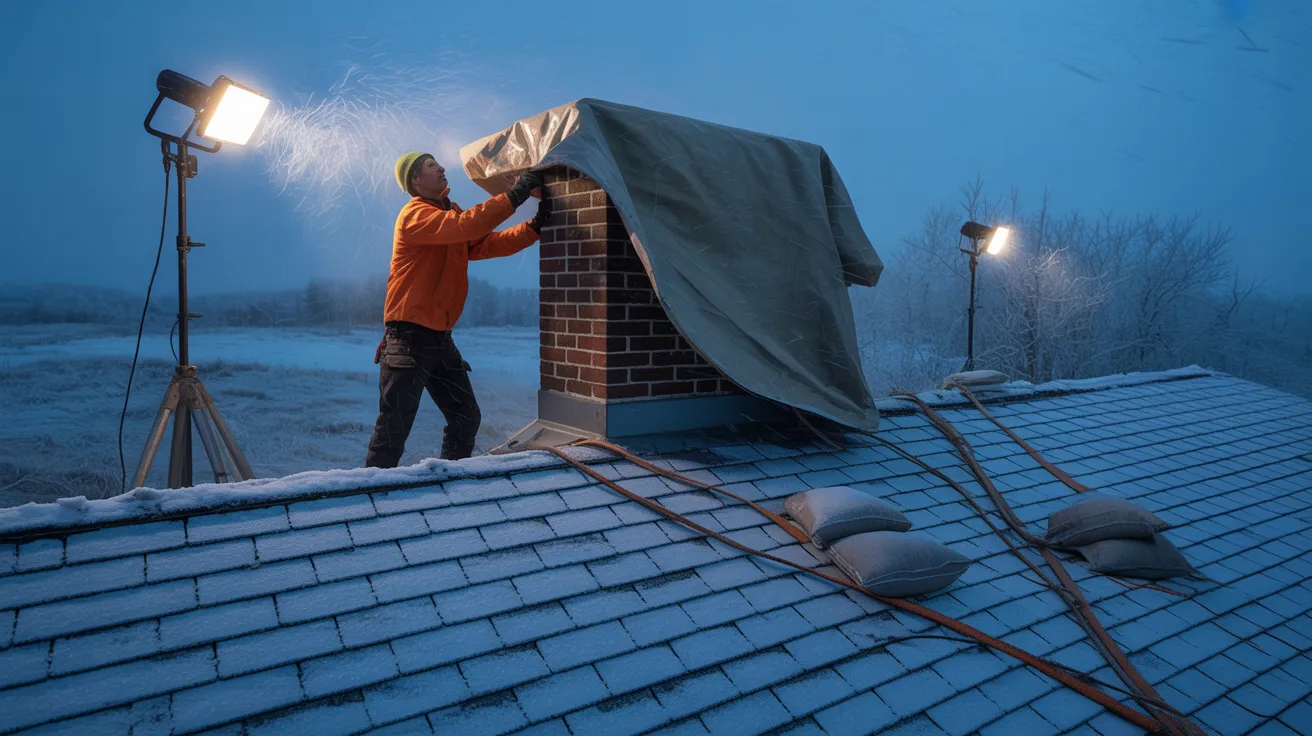
Indeed, we offer emergency chimney services throughout winter storms. Our team delivers 24/7 emergency assistance with safety measures that prioritize life safety, structural stability, and code compliance. You'll receive rapid triage, airflow assessment, draft verification, CO monitoring, and provisional weatherproofing. Our team will clear obstructions, install caps, and isolate unsafe appliances per NFPA 211 guidance. You'll get written findings, photos, and next-step recommendations, and we'll coordinate follow-up repairs when conditions enable safe, compliant work.
What Parts of Minnesota Do You Service?
Our service area includes the Twin Cities, surrounding metro area and Northern suburbs within a standard 40-50 mile radius, serving Minneapolis-St. Paul, Anoka, Blaine, Coon Rapids, Maple Grove, Woodbury, Eagan, and White Bear Lake. We also work in select exurbs by appointment. We adhere to NFPA 211 compliance, correct venting clearances, and secure access standards. If you're outside our normal coverage area, we'll verify accessibility, travel costs, and code requirements ahead of arranging to guarantee proper and regulation-compliant work.
What Are the Scheduling Times for Peak Season Appointments?
In our busiest periods, appointments are usually scheduled 1-2 weeks out, though availability may be limited due to high demand. We offer immediate assistance for urgent safety-related problems like blockages, carbon monoxide alarms, or downdraft issues. If we can't accommodate your preferred timing, we'll place you on our waiting list, where we prioritize safety-critical issues followed by chronological requests. To guarantee appropriate service, we need information about your appliance, venting configuration, roof access, and necessary clearances while arranging your appointment allowing us to match you with the correct expertise and tools.
Do You Provide Written Estimates and Itemized Invoices?
Yes, absolutely. We provide a detailed estimate before any work begins, featuring a complete itemization of all parts, labor, materials, and required code updates for complete pricing clarity. Once we finish, we issue an detailed final bill that corresponds to the estimate and documents any agreed-upon changes. Our work adheres to NFPA 211 and local code requirements, highlighting safety issues, and detailing masonry condition, venting requirements, and clearances. You'll find itemized pricing, necessary permit charges if required, and warranty coverage specifications.
Are Discounts Available for Seniors or Multi-Service Bookings?
Yes, you qualify for senior discounts and price reductions for bundled services. Consider your home as an integrated unit: when everything is synchronized, effectiveness increases and prices go down. You'll receive percentage-based reductions on eligible services, applied after code-compliant inspection findings. When you bundle chimney sweep, Level II inspection, and dryer-vent cleaning, we consolidate mobilization and safety checks, lowering your total while maintaining NFPA 211 standards. Request verification, ID requirements, and scheduling windows to secure special rates.
Wrapping Up
It's fascinating vent cleaning Minnesota how chimneys work: you typically don't notice them until something goes wrong. Just as you wouldn't risk your electrical system, don't take chances with flue integrity, draft, and CO detectors. Arrange for code-compliant inspections, NFPA 211 cleanings, and proper chimney relining. This helps reduce creosote buildup, improves efficiency, and maintains proper clearances and ventilation standards. No matter if you're using wood, gas, or masonry systems, our qualified local specialists will document any issues, conduct repairs to manufacturer specifications, and verify proper draft. While it may seem ironic safety comes from preparation - it's scheduled. Schedule your inspection now.